Coach: keeping the work in view.
A workspace should help me follow the work and know where my judgment is needed.
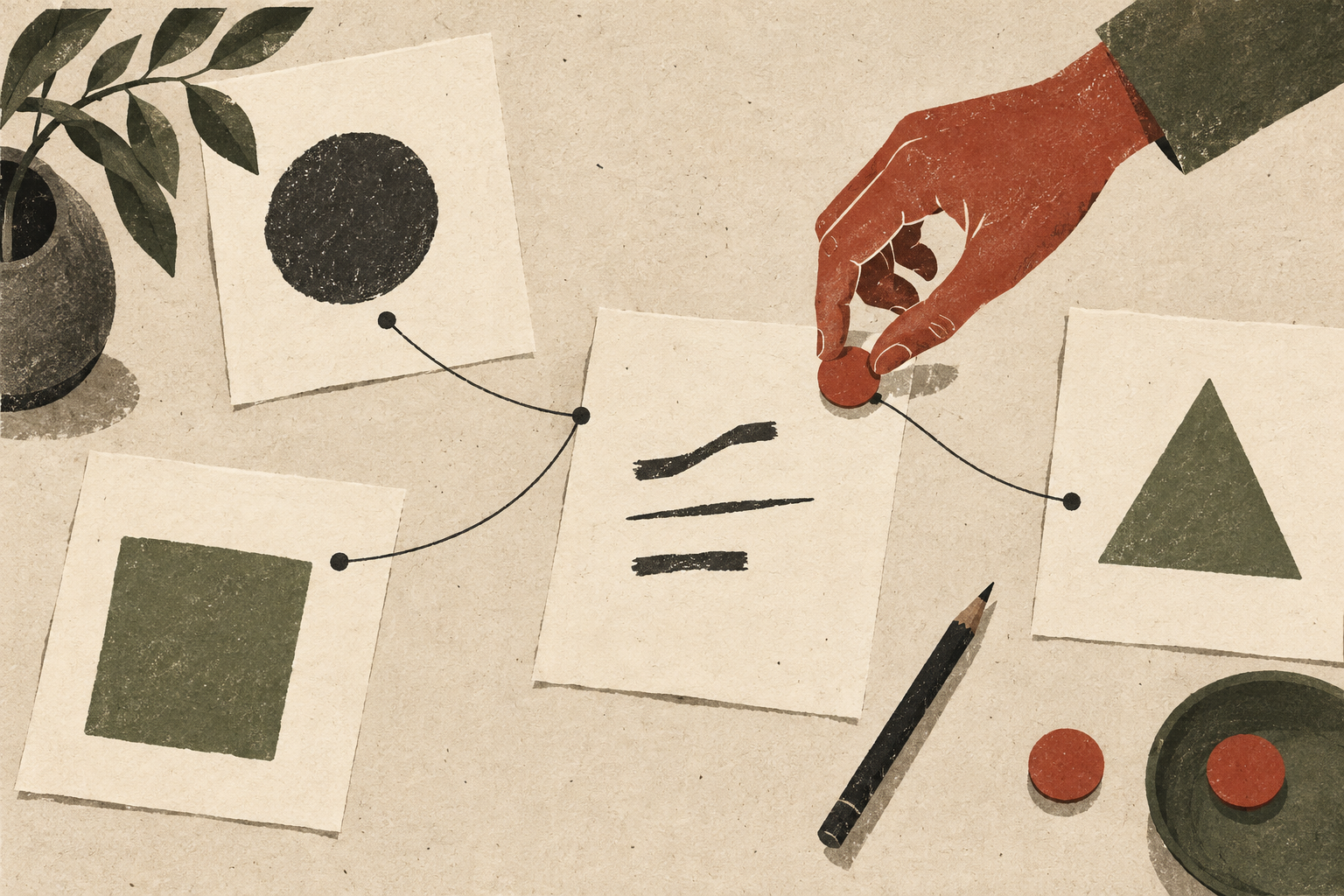
Work can continue while my attention is elsewhere. A coding agent may be reading a repository, changing a file, or checking an assumption. When I return, I need to understand how that activity relates to the task I gave it. A sequence of events can tell me what happened and still leave me piecing together where the work stands.
Coach is a workspace for coding agents. The question I want to explore with it is how to keep the work understandable as it changes. I keep returning to three things I need to see: the task, its progress, and the next decision that needs my attention.
Give the task a stable place.
A task provides the context for everything that follows. Its purpose, important constraints, and conditions for review need to remain easy to find while the conversation grows. Without them, a new update arrives as another piece of text whose significance I have to reconstruct.
Keeping the task visible also makes it easier to notice a change in direction. An agent may discover that an assumption was wrong or that the requested change reaches further than expected. I want the workspace to make the connection clear: this discovery affects this part of the task, and here is the choice it raises.
Show progress in terms of the work.
Activity alone gives an incomplete picture of progress. Reading more files may resolve an important question, or reveal a larger problem. A check may pass while the original behavior still needs review. An update should explain what the activity established and what remains open.
For Coach, I want updates to explain how a task has advanced: what changed, what the agent learned, and what it is doing next. A short account is useful when it makes the boundary between completed work and open questions clear. The detail behind that account should remain within reach when I need to inspect it.
Make attention a deliberate choice.
When several agents are working, their updates compete for the same attention. I want to be able to leave a task running without wondering whether I have missed a decision. That requires a clear distinction between work that can continue and work that needs something from me.
Suppose a requested interface change turns out to affect a shared component. The choice may be to adjust that component for every screen or keep the change local. I want to see why the agent reached that point, what each option would affect, and which decision it needs from me. That context makes the pause useful. Once I choose, the task has a clear basis for continuing.
Review the result in its context.
At review time, I need to bring the result back to the original request. A change can look reasonable in isolation and still leave a constraint unresolved. The task, the resulting changes, and the checks behind them need to be readable together. That is the path I want Coach to preserve as the work moves from activity into review.
Being able to step away matters here. When I return, the workspace should help me pick up the task where it stands, with enough context to make the next decision. I can then spend my attention on the choice itself, rather than rereading the conversation to discover why it is waiting.
What needs to remain in view so I can leave the work running and return ready to make a useful decision?